

Several Eternities in A Day:
Hammer Museum
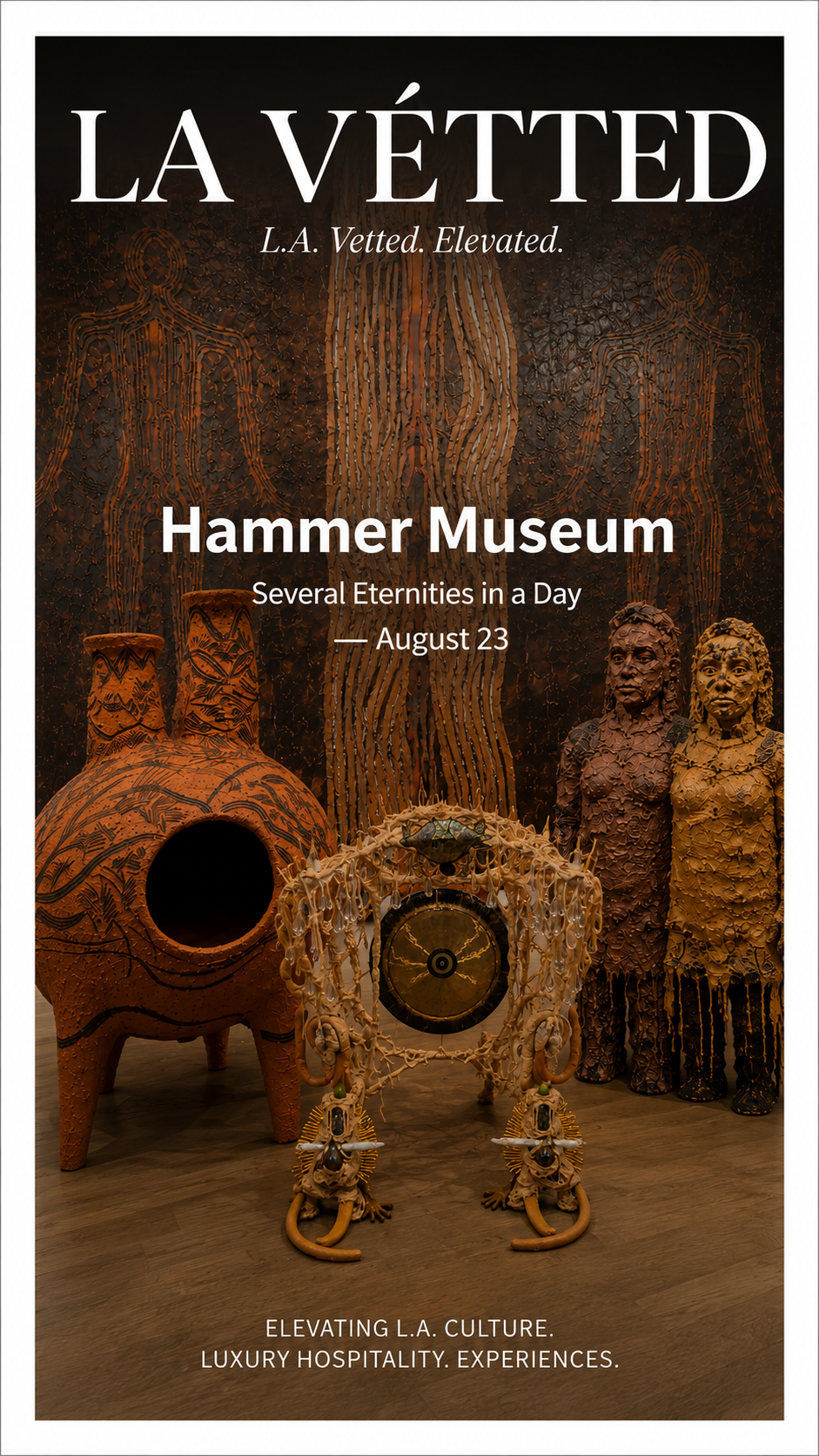
Several Eternities in a Day
What if the natural world wasn't simply the subject of art, but its collaborator?
For centuries, artists have transformed stone into sculpture, pigments into paintings, and clay into vessels. Several Eternities in a Day invites us to reconsider that relationship. Here, earth is not merely represented—it is present. Soil, clay, cacao, avocado, stone, water, and sound become active participants in works that blur the boundary between culture and nature.
Spanning three thematic acts, the exhibition brings together artists from across the Americas whose practices draw from ancestral knowledge while speaking unmistakably to the present. Rather than presenting nature as something separate from humanity, these works suggest that our histories, our materials, and even our identities remain inseparable from the living world.
The Materials Remember
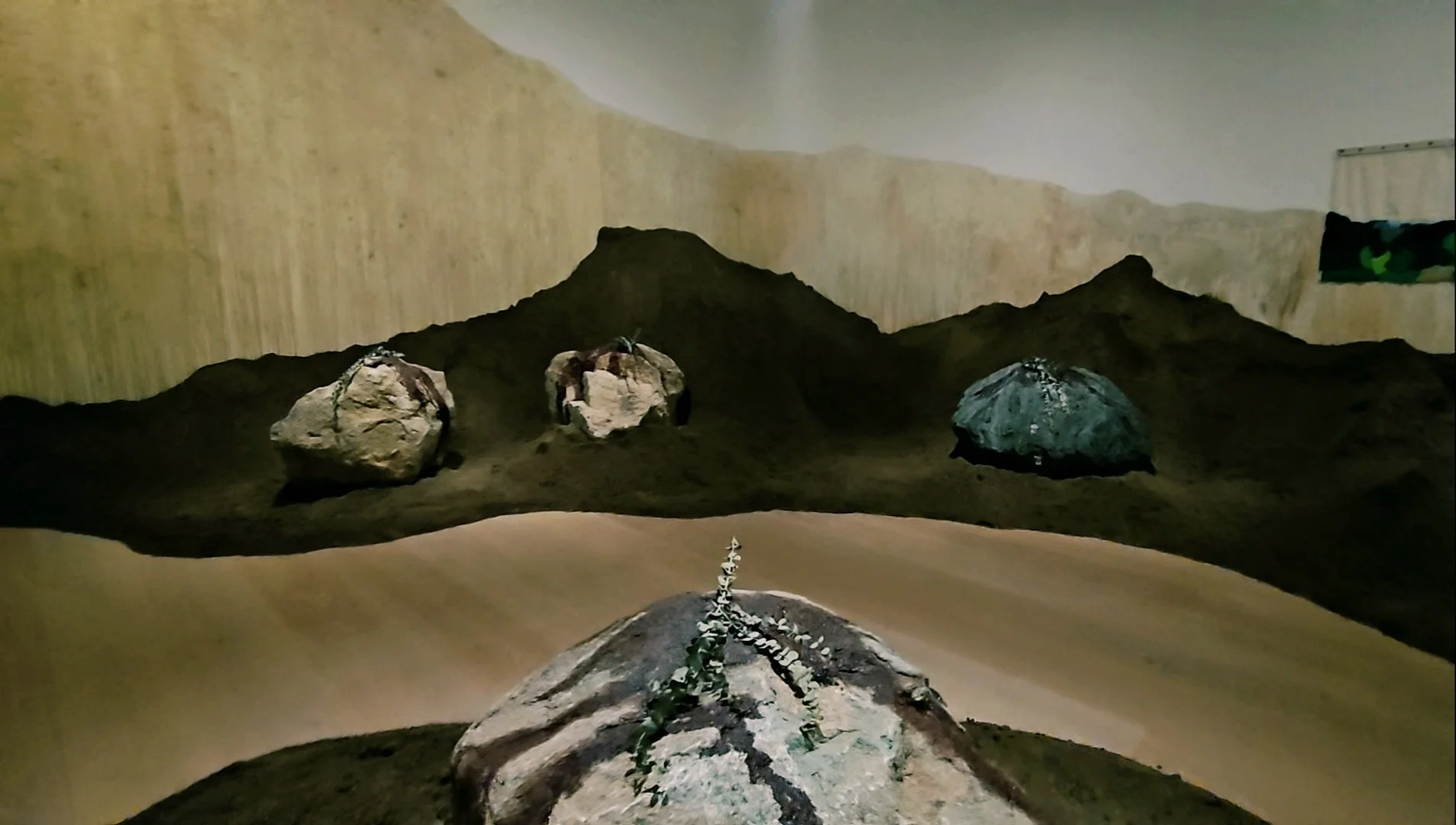
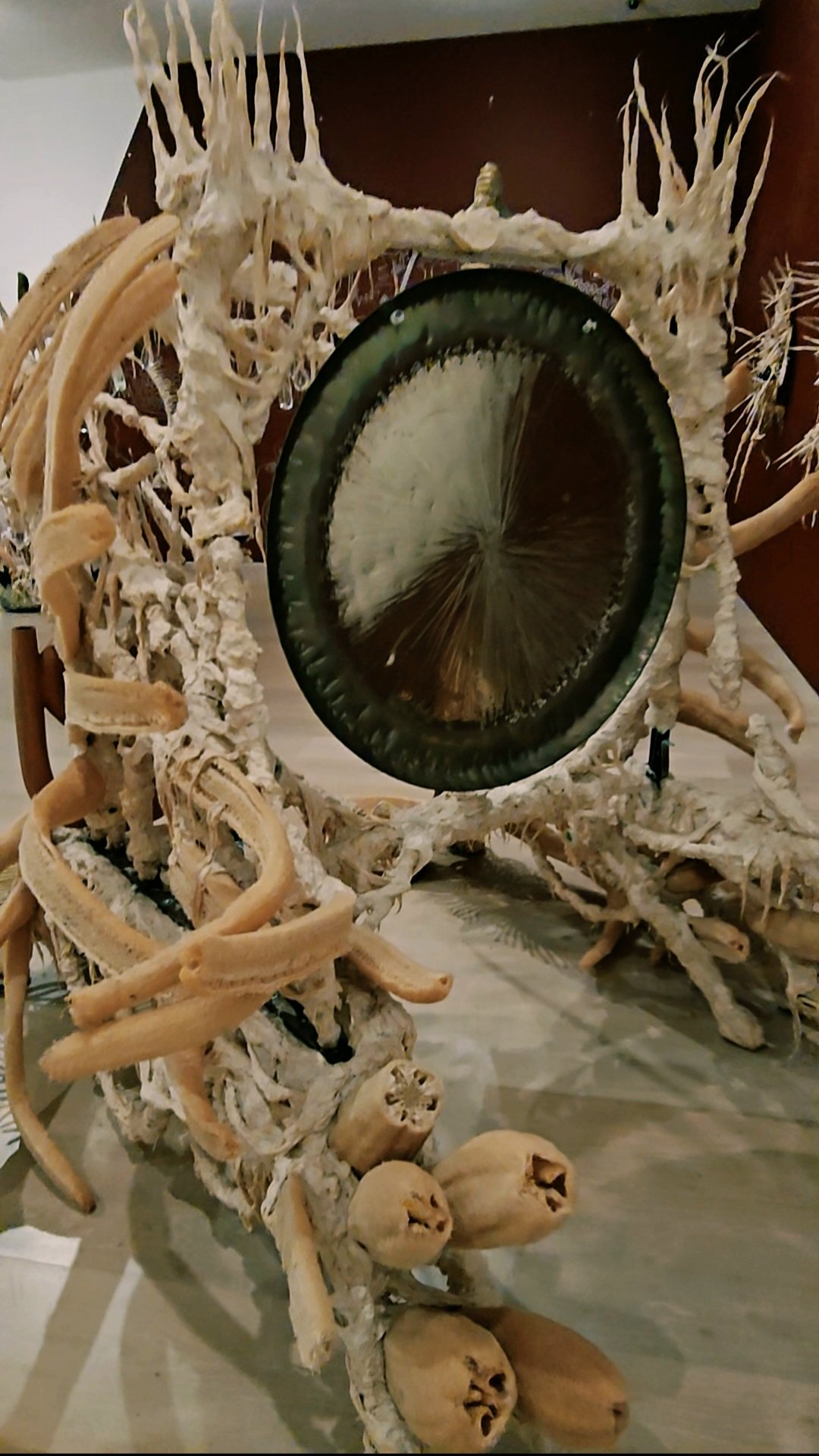
One of the exhibition's most compelling ideas is that materials are never neutral. Clay remembers the earth from which it came. Stone carries geological time. Plant fibers continue the story of living organisms long after they have been harvested.
For Los Angeles artist Carmen Argote, even the pigments themselves become part of that conversation. Rather than relying solely on manufactured paints, she incorporates cochineal insects, lemon juice, and mashed avocado into her work. Materials associated with nourishment and daily life become instruments of artistic expression, dissolving the familiar boundary between nature and culture.
The gesture is quietly profound. Instead of depicting the natural world, these works allow it to participate in their making.
Time Made Visible
Most exhibitions are organized around chronology, style, or geography. Several Eternities in a Day organizes itself around something less tangible: time itself.
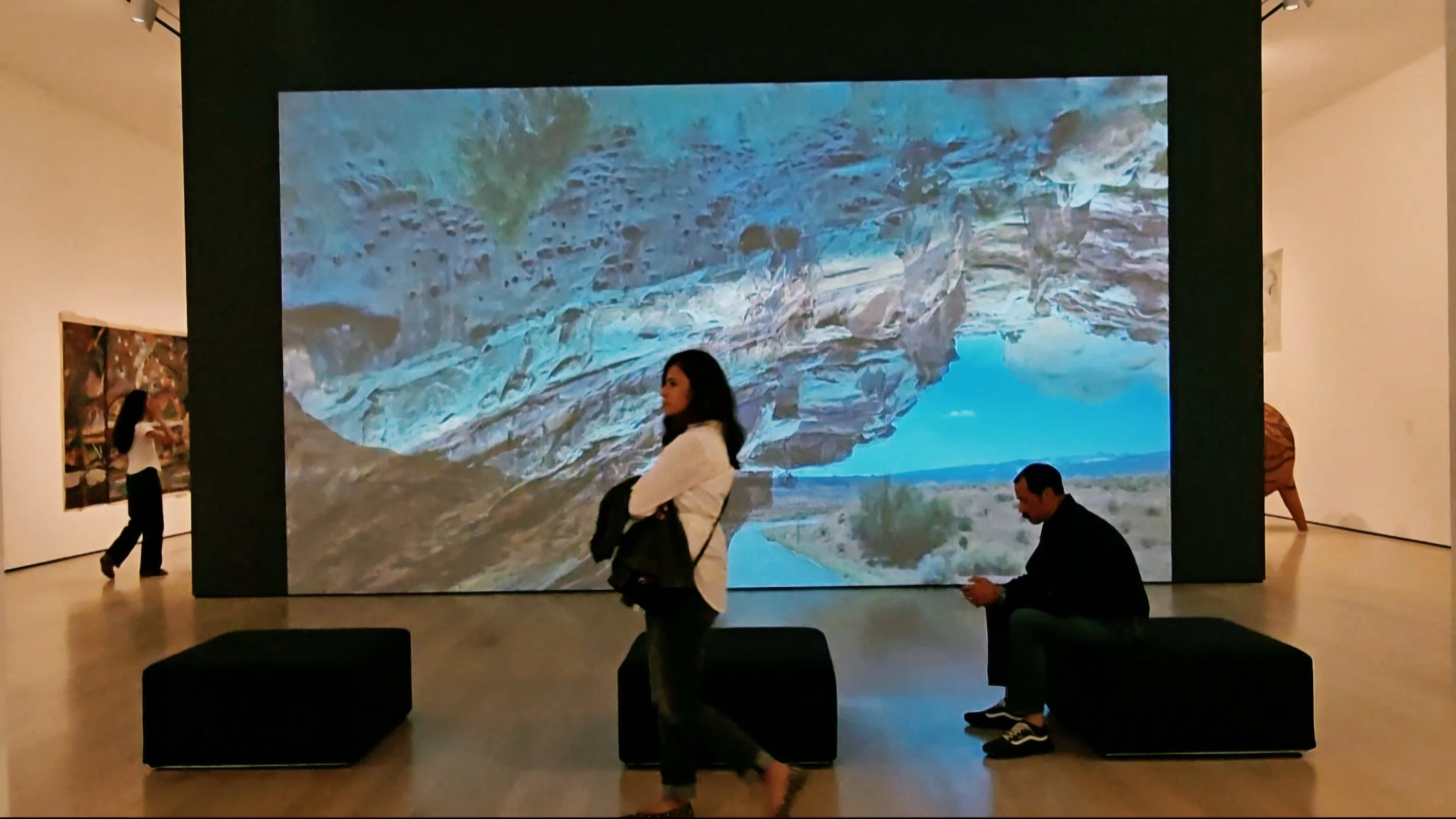
Ancient ceramic traditions stand beside contemporary video installations. Geological materials measured in millions of years share the gallery with living organisms that continue to grow, decay, and transform. Rather than collapsing these timelines into a single narrative, the exhibition allows them to coexist, suggesting that the past is not behind us but continually shaping the present.
Walking through the galleries, time begins to feel less like a straight line and more like layers of earth exposed in a canyon wall. Every material carries its own history, every object its own rhythm, reminding us that culture is not separate from nature but another expression of it.
Los Angeles has long been a meeting place of cultures, languages, and traditions, making it uniquely suited to host an exhibition like Several Eternities in a Day. Rather than presenting the Americas as separate histories, the Hammer Museum reveals the deep connections that have always existed between people, materials, and wavs of understanding the world.
The exhibition reminds us that contemporary art is not onlv about invention-it is also about remembrance. Ancient knowledge survives in present-day practices, while artists continue to reinterpret inherited traditions through new materials and new auestions. In doing so, they demonstrate that culture is something continually renewed rather than simply preserved.
For visitors, the experience offers more than an afternoon in a museum. It becomes an invitation to see Los Angeles itself as part of a larger cultural conversation-one that stretches across continents, generations, and civilizations, yet unfolds here, today.
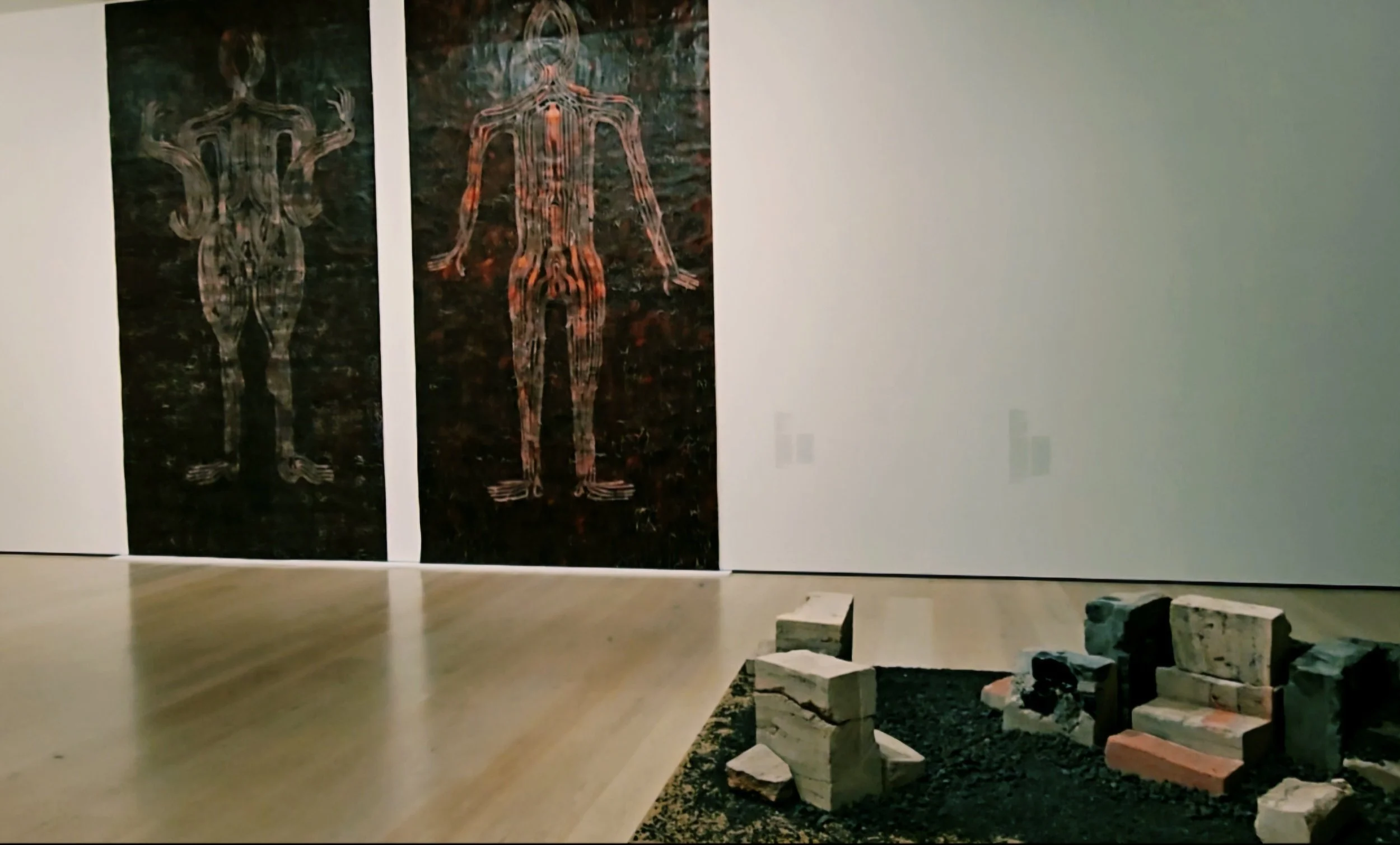
Great exhibitions don't simply display objects; they reshape the questions we ask when we leave. Several Eternities in a Day reminds us that the natural world is not a backdrop to human culture, but one of its oldest collaborators. In Los Angeles, that conversation continues-one exhibition at a time.